
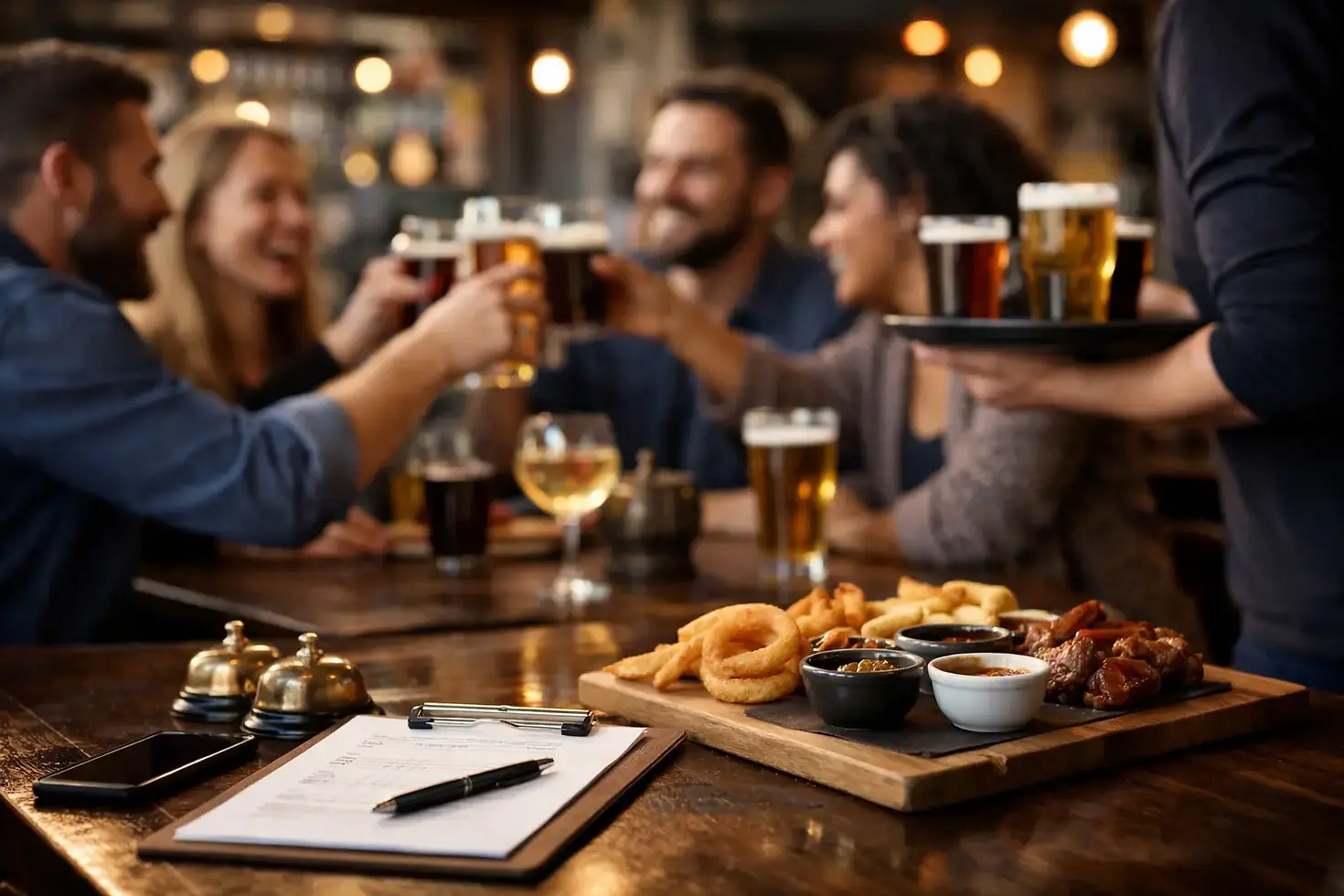
A Smart Guide to Group Pub Bookings

Trying to get ten mates, two late arrivals, one gluten-free friend and a table with a clear view of the football into the same pub plan? That is exactly why a proper guide to group pub bookings helps. A good group night looks effortless when it lands, but the best ones usually come down to a few smart decisions made before the first pint is poured.
Group pub bookings are not just about grabbing enough chairs. You are really booking atmosphere, timing, sightlines, food, and enough space for everyone to enjoy themselves without feeling squeezed in or stranded at opposite ends of the room. If you are planning a birthday, a work social, a match night, a stag or hen do, or just a long-overdue catch-up, getting the setup right makes all the difference.
Why a guide to group pub bookings matters
Small bookings are easy to wing. Bigger groups are different. Once numbers start climbing, pubs need to think about table layout, kitchen flow, staffing, busy periods and where your group will fit best without affecting the room for everyone else.
That is not bad news - it is actually what makes booking ahead worth it. A pub that knows your group is coming can prepare properly. That usually means a better table, smoother service and less time spent standing around asking if anyone has seen the rest of the group.
It also helps you avoid the classic group-night problems. Someone assumes there will be room. Someone else turns up early and grabs a random corner. Half the group wants dinner, half only wants drinks, and then the big match starts and nobody can see a screen. Booking in advance cuts through most of that.
Start with the real size of your group
The first rule is simple - be honest about numbers. Not optimistic, not vague, and not based on who clicked a thumbs-up in the group chat at 1 am. Give the pub your most realistic headcount, and if there is a chance it might change, say so.
There is a big difference between booking for eight and booking for fifteen. A pub can often slot a smaller party into regular seating, while a larger group may need a specific section, joined tables or a different arrival time. If your number is likely to grow, mention a range. It is much easier to adjust a booking a few days out than to show up with six extra people and hope for the best.
The same goes for drop-offs. If your booking suddenly shrinks, let the venue know. It is good manners, and it helps the pub manage the space better.
Pick the right day and time
Not every group booking works best at peak hours. Friday and Saturday nights bring great energy, but they also come with more noise, more footfall and less flexibility. If your group wants a full-on lively atmosphere, that may be exactly the point. If you want long chats, an easier food order and more room to settle in, an earlier slot or a quieter day can work better.
Match days add another layer. If live sport is part of the reason you are going out, book early and be clear about what you want. Saying you would like to watch the football is helpful. Saying you would like a table with a decent view of the screen for the 8 pm kick-off is much better.
There is always a trade-off. The busier the moment, the better the buzz - but the less room there is for last-minute changes.
Think beyond seats and ask about the experience
A strong group booking is about more than capacity. It is about fit. Before you book, think about what matters most to your group. Is it live sport, hot food, draught beer, outdoor space, or just a central location where everyone can actually find each other without a 20-minute postcode debate?
For some groups, a table near the action is ideal. For others, especially birthdays or longer catch-ups, it helps to have a spot that still feels lively without being right in the middle of every passing round. If anyone in the group has access needs or if you are bringing colleagues, visitors or older family members, mention that too. A good pub would rather know in advance than guess on the night.
Food and drink can make or break the booking
If your group plans to eat, sort that expectation early. Do not assume every person will decide instantly once they arrive. In bigger groups, delays usually happen when half the table is ready to order and the other half has not looked at the menu yet.
It helps to tell the pub whether you are coming mainly for drinks, drinks and snacks, or a full meal. Some venues may suggest pre-ordering for larger groups, especially at busy times. That can sound overly formal for a pub night, but it often makes things easier rather than stiffer. People spend less time hovering over menus and more time enjoying themselves.
The drinks side matters too. If your group is there for cold local draught beer, cocktails, rounds, or a mix of everything, choose a venue that handles that comfortably. Nobody wants the evening to lose momentum because the bar setup cannot keep pace with a thirsty crowd.
Communication beats chaos every time
One person should handle the booking. Not three people messaging separately. Not one person booking while another asks about changing the time somewhere else. Pick one organiser, confirm the details properly and keep everything in one thread.
When you book, make sure the basics are locked in - date, arrival time, estimated group size and whether food is part of the plan. If there is a specific reason for the gathering, say that too. A birthday drinks table and a football-watch booking may need slightly different positioning in the venue.
Then tell your group what has actually been booked. You would be surprised how often confusion starts because half the group thinks it is a sit-down meal and the other half thinks it is casual drop-in pints.
What to ask before confirming
A useful guide to group pub bookings should keep this bit practical. You do not need to interrogate the venue, but you do want the right information. Ask what size groups they can comfortably accommodate, whether food is available for your time slot, and if sport will be shown if that matters to you.
It is also worth checking how long the table is held, especially if your group is famous for staggered arrivals. Some pubs can be flexible, but on busy evenings they may need most of the party there on time. If there are minimum spends, deposits or table time limits, better to know upfront than be surprised on the night.
Keep it friendly and direct. Pubs appreciate clear bookings because clear bookings are easier to deliver well.
Match nights need a bit more planning
If your booking revolves around live sport, treat it as its own category. Big fixtures fill up quickly, and screen visibility becomes part of the booking, not a bonus. A table tucked away in a quiet corner may sound nice until the match starts and everyone is craning their necks past a pillar.
For sport-led group nights, timing matters just as much as table size. Arriving early gives your group time to settle, order drinks and avoid that panicked rush five minutes before kick-off. It also helps the pub keep service flowing once the room gets busy.
Venues like The Thirsty Bulldog work best for these nights because the whole experience is built around good energy, proper hospitality and actually watching the game rather than pretending a tiny screen above the bar will do.
Be realistic about how your group behaves
Every organiser knows the type. The ones who arrive early, the ones who arrive late, the ones who swear they are “just around the corner” for 40 minutes. Build that into your plan.
If your group is relaxed and flexible, a pub with a lively, informal feel is usually perfect. If your group needs more structure, because it is a work gathering or a mixed-age occasion, book somewhere that can support that without losing atmosphere. The best group nights feel easy, but they still need a venue that matches the group’s pace.
This is where experience counts. A pub used to handling birthdays, sports fans, after-work drinks and weekend groups will usually read the room well. That means less friction, faster settling in and a better night all round.
A few final moves that save hassle
Confirm the booking on the day if the group is large. Turn up when you said you would. If plans change, send a quick update instead of going silent. Pubs can work with changes, but they cannot work with guesswork.
And if you are the organiser, do yourself a favour - share the arrival time, location and booking name clearly with everyone before anyone leaves home. It sounds obvious, yet it saves endless messages later.
A good group pub booking should feel simple once you are there. The table is ready, the drinks are cold, the food turns up hot, the screen is in view and nobody is wondering what the plan is. Get those pieces right, and the night takes care of itself.


Comments